


Smartwatch vs Fitness Tracker: Which One Do U.S. Gym-Goers Actually Prefer ?
For many Americans, fitness isn’t just a gym session — it’s a lifestyle.
We track steps, monitor workouts, measure sleep cycles, and analyze recovery all from the wrist.
And in 2025, everyone asks the same question:
“Should I buy a smartwatch or a fitness tracker?”
Both are powerful tools.
One gives you convenience and everyday features.
The other delivers focused performance, recovery data, and fewer distractions.
Let’s break it down — so you pick the wearable that actually improves your training, instead of wasting money.
1. Smartwatch — The All-in-One Wrist Companion


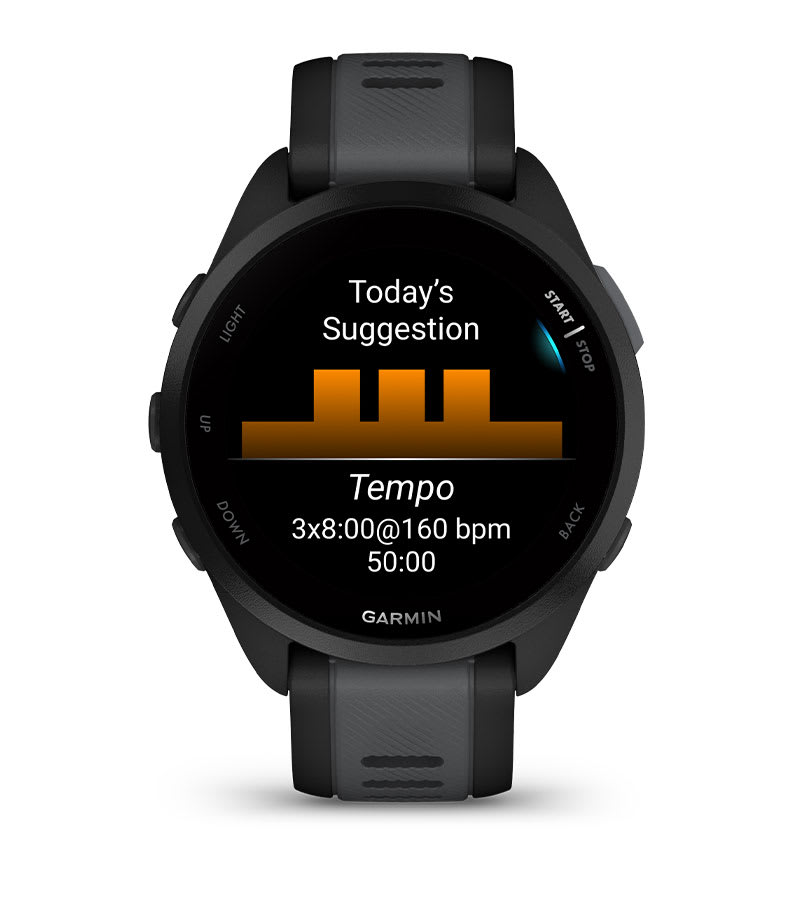
Smartwatches do more than count calories.
They sit on your wrist like a mini-phone — perfect for people who train, work, and live on the move.
What Smartwatches Are Best At:
-
Phone calls, message previews, app notifications
-
GPS for outdoor runs or cycling
-
Music controls
-
Daily wear + gym wear
-
Sleep, recovery, and productivity apps
If you’re the kind of person who:
-
Wants everything in one device
-
Trains but also travels, works, socializes
-
Uses reminders, quick replies, and productivity tools
A smartwatch gives you convenience + health tracking in one ecosystem.
Real use case:
You’re benching at the gym.
Your watch tracks your heart rate and sets while still showing calls from work.
No need to check your phone every 30 seconds.
Recommended for lifestyle-first users who train regularly.
Zyefit suggestion:
Pair a smartwatch with your recovery tools — knee support, massage device, belt — and you’ll know when to push and when to recover.
2. Fitness Trackers — Built for Results, Not Distractions

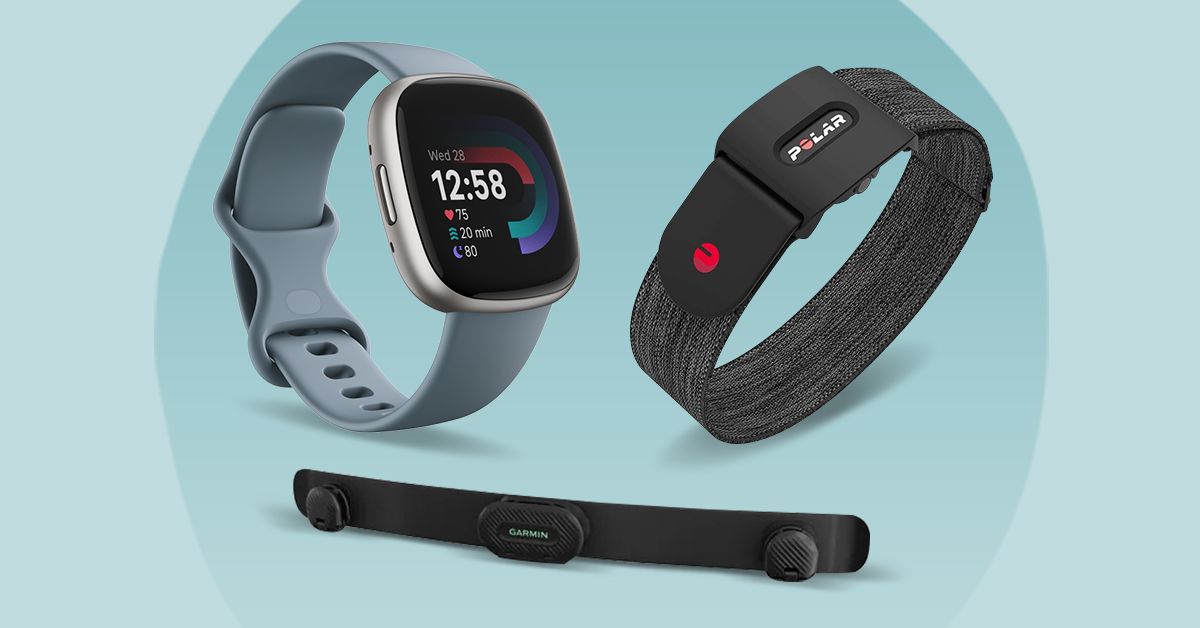

A fitness tracker has one mission:
track your body and improve performance.
It is lighter, more comfortable, and focused on core fitness metrics.
What Fitness Trackers Are Best At:
-
Step & calorie tracking
-
Heart-rate monitoring
-
Recovery & sleep analytics
-
Daily movement goals
-
Simple UI with zero distractions
Ideal for people who want:
-
Training progress
-
Measurable recovery improvement
-
Consistency
-
Less screen time
-
Long battery life
You don’t need notifications and endless apps.
You need a device that teaches your body’s patterns.
Fitness trackers are for people who want to grow in the gym, not scroll.
3. The U.S. Trend Performance Tracking Wins
In 2025, U.S. gym members follow a clear pattern:
-
New gym users → Smartwatch first
-
Dedicated lifters → Fitness tracker
-
Athletes & rehab users → Tracker + recovery devices
Americans aren’t just “counting steps” anymore.
They want:
-
better sleep,
-
less soreness,
-
stronger joints,
-
faster muscle recovery,
-
and numbers that prove progress.
That’s where your Zyefit recovery tools change the game.
4. Battery Life & Comfort — Trackers Win Easily
Battery life is the first major difference.
Smartwatch
-
Typical charge: 1–2 days
-
Bright screen + apps drain battery
-
Bulkier during workouts
Fitness Tracker
-
Typical charge: 7–14 days
-
Designed for 24/7 wear
-
Light and “invisible” during lifting and sleep
If you use lifting straps, wrist wraps, or gloves…
thin tracker > thick watch face.
No sweat under a big screen, no wrist fatigue, no fear of cracking the display.
5. Workout Metrics Smartwatch Wins for Variety
Smartwatches include stronger sensors and more advanced GPS. They’re excellent for:
-
Running
-
Cycling
-
CrossFit
-
Hiking
-
HIIT
-
Outdoor training
You see maps, pace, heart-rate zones, distance, splits a full performance picture.
Trackers do the essentials, but smartwatches have more sport profiles.
6. Recovery & Pain-Free Progress Trackers Pair Better With Tools
When recovery becomes a habit, the tracker becomes a daily decision-maker.
With Zyefit recovery gear knee brace, infrared belt, massage gun — you track:
-
Sleep score
-
Resting heart changes
-
Fatigue levels
-
Soreness patterns
That tells you:
➡️ Train heavy
➡️ Mobility session
➡️ Recovery day
A smartwatch pushes notifications.
A fitness tracker helps you train longer with fewer injuries.
7. Gym Culture What Real Users Choose
Ask lifters, athletes, or coaches:
“What do you wear during a workout?”
Most say:
-
Fitness band or tracker
-
Phone for music + workout plan
Why?
-
No heavy watch face clanking on barbells
-
No anxiety about breaking a $500–$700 screen
-
Sweat stays under the strap, not a thick square
-
Mobility feels natural
No one wants an Apple Watch cracking against a barbell mid-set.
8. Who Should Choose What?
Choose a Smartwatch if you:
Want calls/messages on your wrist
Run, cycle, or track outdoor routes
Need everyday wearable + gym tool
Prefer one device for life + training
Choose a Fitness Tracker if you:
Care about sleep recovery
Lift weights or do HIIT
Want something light, minimal, distraction-free
Want battery life that lasts a full week or more
9. The Hybrid Trend
The strongest trend in U.S. fitness:
Tracker for training + Smartwatch for lifestyle
Why this works:
-
Trackers give accurate recovery signals
-
Smartwatches cover work, communication, and travel
Pair your wearable with Zyefit recovery tools (massage gun, knee brace, infrared belt) —
and you get real improvement:
less soreness, better sleep, and better training consistency.
Final Verdict
Smartwatches = lifestyle + convenience
Fitness trackers = discipline + performance
Neither one is “better.”
The real question is:
Do you want a wearable that talks to you… or one that makes you stronger?
If your goal is performance + recovery → start with a fitness tracker.
If you want everything in one stylish device → choose a smartwatch.